GENDER-AFFIRMING CARE

Start hormone therapy online

Estrogen & testosterone therapy from licensed clinicians who specialize in transgender care, plus ongoing support for your gender transition.

Treatment requires clinical evaluation & practitioner discretion. Lab & testosterone requirements vary by state. Medication costs not included.

YOUR OPTIONS

Feminizing & masculinizing hormone therapy

Care is personalized to your body & gender transition goals.

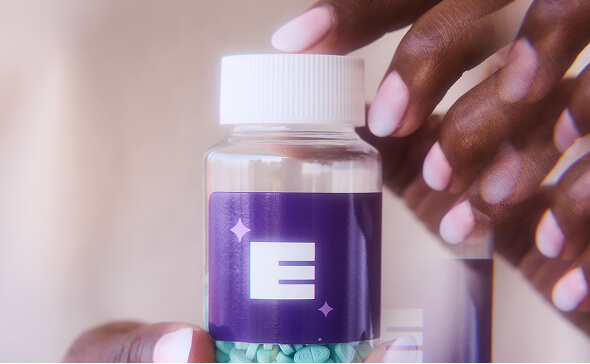
Estrogen vial

Estrogen

For transgender & nonbinary people wanting a more feminine appearance.

Available as injection, patch, or oral. Prescribed with or without companion medications like spironolactone, finasteride & progesterone.

Changes take time, often starting within 3–6 months.

Some changes are permanent, such as breast growth & fertility changes.

Lower doses are available for subtler changes over time.

Estrogen can support your gender transition goals, including male-to-female (MTF), transfeminine, or nonbinary gender expression. 

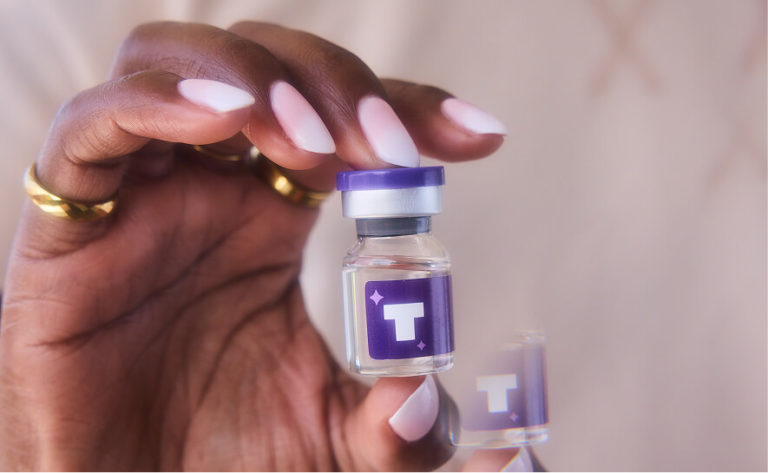
Testosterone vial

Testosterone

For transgender & nonbinary people wanting a more masculine appearance.

Available as injection, gel, or oral. Prescribed with or without companion medications like finasteride. Testosterone availability varies by state.

Changes take time, often starting within 2–3 months.

Some changes are permanent, such as a deeper voice & facial hair growth.

Lower doses are available for subtler changes over time.

Estrogen can support your gender transition goals, including female-to-male (FTM), transmasculine, or nonbinary gender expression.

WHAT TO EXPECT

The changes you can expect

Where you’ll notice change, and the typical timeline. Everyone’s pace is a little different.

Estrogen changes
1

Face & skin

Softer, less oily skin

2

Chest

Breast growth & nipple developement

3

Hips & thighs

Body fat shifts

TYPICAL TIMELINE

First weeks

Emotional & mood shifts often come first

2-3 months

Chest tenderness begins; skin softens

6-12 months

Breast growth accelerates; fat redistributes

2-5 years

Changes reach their peak, then maintained
Testosterone changes
1

Face & skin

Facial hair & fat redistribution

2

Chest & shoulders

More muscle mass & strength

3

Midsection

Body fat shifts toward the belly

TYPICAL TIMELINE

First weeks

More energy & confidence; skin gets oilier

2-6 months

Facial & body hair growth; menses stop

6-12 months

Voice deepens; bottom growth

2-5 years

Changes reach their peak, then maintained

THE PROCESS

Build your care plan​

Work together on a treatment plan to meet your gender goals — hormone type, dose, & delivery method.

1

Informed Consent

Review HRT risks, benefits, & possible side effects before moving forward.

2

Set your goals

Meet with your clinician to discuss your gender expression & the physical changes you’re looking for.

3

Build your treatment plan

Learn what changes you may notice with hormones, and when they may happen. Everyone’s body is different.

4

Start your treatment*

If you’re ready, prescriptions are sent after your first visit, and lab work is scheduled to support ongoing care.

*Treatment requires clinical evaluation & practitioner discretion. Lab & testosterone requirements vary by state. Medication costs not included.

Smiling person holding a smartphone

Stay Connected

Get content about the trans experience right in your inbox

GOOD TO KNOW​

Frequently asked questions

What’s the difference between GAHT and HRT?

Gender-affirming hormone therapy (GAHT) and hormone replacement therapy (HRT) are often used interchangeably. Both refer to the use of hormones to support gender transition and align physical characteristics with your identity.
MTF (male-to-female) hormone therapy, also known as feminizing hormone therapy, typically involves estrogen and may include medications such as spironolactone or progesterone to support physical changes like breast development and fat redistribution. FTM (female-to-male) hormone therapy, also known as masculinizing hormone therapy, uses testosterone to support changes such as a deeper voice, increased body hair, and muscle development. Your clinician will help you choose the right treatment plan based on your goals, body, and overall health.

Hormone therapy typically includes estrogen or testosterone, depending on your goals. Some treatment plans may also include medications such as spironolactone, finasteride, dutasteride, bicalutamide, or progesterone.
Most people will need lab work while receiving hormone therapy. Lab tests help ensure your hormone levels are safe and effective throughout your care. At Plume Clinic, labs are typically not required before starting HRT. Most hormone levels fall within expected ranges and pre-treatment labs rarely change our starting approach. However, we may recommend pre-treatment labs if we suspect an unusual hormone pattern or underlying condition.
Hormone therapy is considered safe when prescribed and monitored by a licensed clinician. Ongoing care, lab testing, and regular check-ins help ensure your treatment remains appropriate for your needs.

In order to provide healthcare services to you and give you medically appropriate care, we are required to get a recent blood pressure reading. You can get your blood pressure read for free at many pharmacies, go to your primary care doctor, or you may purchase a blood pressure cuff online.